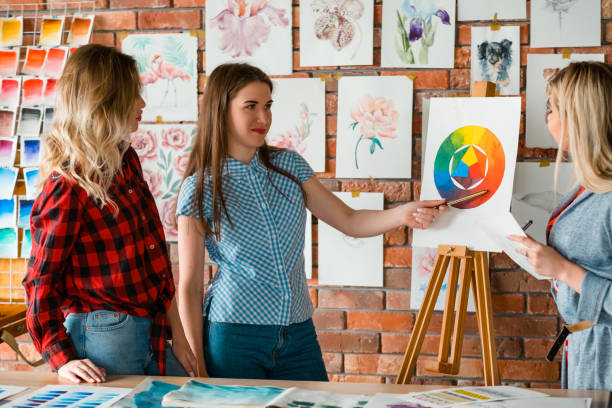
Art has always been a powerful form of self-expression that allows individuals to communicate ideas beyond words. Learning artistic techniques helps people develop imagination, patience, and confidence while exploring their creative potential. In Union city, structured learning environments help beginners and enthusiasts understand how colors, shapes, and textures work together. These learning spaces guide students step-by-step, helping them transform simple ideas into meaningful artwork. Whether someone is exploring painting for relaxation or professional growth, the right guidance creates a strong connection between creativity and personal development.
The Growing Interest in Art Classes
Creative learning has become increasingly popular as people look for activities that encourage focus and emotional well-being. Many learners now seek structured art classes in Union city to explore traditional and modern art forms. These classes introduce drawing basics, color theory, composition, and different painting methods. Students gain exposure to artistic tools while learning to experiment with their own style. This growing interest reflects a wider appreciation for creative education, where people of all ages discover how art can improve observation skills and inspire innovative thinking.
Modern Skills Through Digital Painting
Technology has opened new possibilities for artists who want to combine creativity with digital tools. Digital painting classes introduce learners to modern software and digital brushes that replicate traditional painting techniques. Students learn how to create illustrations, concept art, and visual designs using tablets and design platforms. These classes focus on color blending, lighting effects, and digital textures. As digital art continues to grow in fields like design, animation, and gaming, learning these skills helps artists stay relevant while expanding their creative possibilities.
Benefits of Learning Art in a Structured Environment
Participating in guided art training offers more than just creative enjoyment. A structured environment helps students progress faster while gaining valuable artistic discipline. Key benefits include:
- Improved observation skills: Students learn to notice details in objects, light, and texture that enhance artistic accuracy.
- Creative confidence: Regular practice helps individuals develop their own style and artistic voice.
- Stress relief and relaxation: Art activities encourage mindfulness and emotional balance.
- Skill development: Learners gain technical knowledge about composition, shading, and color harmony.
- Portfolio building: Structured programs help aspiring artists create professional artwork collections.
Learning Different Art Techniques
Art education exposes students to a variety of styles and mediums that expand their creative thinking. Beginners often start with pencil sketches and gradually move toward painting or mixed media techniques. Exposure to multiple approaches helps learners understand how different materials affect the final artwork. Exploring techniques also encourages experimentation, allowing artists to develop their unique style. Over time, practice with diverse mediums strengthens creative confidence and helps students discover which artistic forms resonate most with their interests and goals.
Skills Students Develop Through Art Training
Consistent practice in creative learning environments leads to noticeable improvement in both artistic and personal skills. Students not only learn techniques but also develop discipline and problem-solving abilities. Important skills gained include:
- Drawing accuracy: Understanding shapes, forms, and proportions.
- Color understanding: Learning how color combinations influence mood and composition.
- Creative experimentation: Trying new styles and approaches without fear of mistakes.
- Visual storytelling: Expressing emotions and narratives through artwork.
These skills help learners approach art with both technical knowledge and imaginative freedom.
Exploring Creativity with Digital Tools
Modern artists often combine traditional drawing knowledge with digital techniques to produce unique results. Digital platforms provide tools that allow artists to experiment with layers, textures, and lighting effects quickly. Learning these tools improves efficiency while offering endless creative possibilities. Students practicing digital painting often explore character design, concept art, and stylized illustrations. By blending creativity with technology, artists can create professional-quality work that is suitable for various creative industries including design, media, and online content creation.
Building a Strong Art Foundation
Every successful artist begins with fundamental skills that support advanced creativity. An art foundation program focuses on essential techniques such as sketching, shading, perspective, and understanding proportions. These basics help learners develop control over lines, tones, and structure. Foundation training also introduces visual storytelling, enabling students to express emotions and ideas effectively through art. By strengthening these core abilities, beginners gain the confidence needed to explore more complex artistic styles and mediums while maintaining balance, accuracy, and creative freedom in their work.
Choosing the Right Art Learning Environment
Selecting a supportive learning environment is important for anyone beginning their artistic journey. The right classes provide guidance, practice opportunities, and constructive feedback that help students grow steadily. Learners benefit from programs that combine foundational drawing techniques with modern creative tools. When teachers encourage experimentation and individual expression, students feel motivated to continue exploring art. A positive learning environment also builds a sense of community where artists share ideas, learn from each other, and develop confidence in their creative abilities.
Tips for Improving Artistic Skills
Developing artistic ability requires consistent effort and curiosity. While talent can play a role, regular practice and observation are far more important in achieving progress. Helpful practices include:
- Practice sketching daily to improve hand control and visual understanding.
- Study light and shadow to add depth and realism to drawings.
- Experiment with materials such as pencils, paints, and digital brushes.
- Observe real objects to understand shapes and textures better.
Following these habits helps learners gradually refine their artistic skills while enjoying the creative process.
Encouraging Creativity Through Continuous Learning
Art is a lifelong journey where learning never truly stops. As artists develop their skills, they discover new techniques, inspirations, and creative directions. Continuous learning helps maintain curiosity and keeps creativity fresh. Participating in workshops, exploring different mediums, and studying other artists’ work can spark new ideas. Whether someone is creating art for personal enjoyment or professional growth, regular exploration ensures that artistic expression continues to evolve and remain meaningful over time.
Discover Your Artistic Potential
Creativity flourishes when learners receive the right guidance and opportunities to practice. Joining art classes in Union city can open the door to new artistic experiences, from building strong foundational drawing skills to exploring modern digital techniques. Whether you are a beginner or an aspiring artist, structured learning helps turn imagination into beautiful visual creations.
Start your creative journey today and explore the joy of art through inspiring lessons and innovative techniques.
FAQs
Are art classes in Union city suitable for beginners?
Yes, classes are designed for all skill levels, including complete beginners.
What is included in an art foundation program?
Basic drawing, color theory, sketching, and composition skills.
Can I learn digital painting even if I’m new to art?
Absolutely. Digital painting classes start with fundamentals and guide you step-by-step.
How long does it take to see improvement?
With regular practice, noticeable progress is usually seen within a few weeks.
Are the classes hands-on or just theory?
Classes are practical, combining demonstrations, exercises, and guided projects.
Can I continue using skills learned after the course?
Yes, the skills are transferable for personal projects, digital work, or professional use.
Do I need to buy expensive art supplies?
Basic supplies are sufficient; digital classes often provide software guidance and tools.
Why choose art classes in Union city with this program?
Structured lessons, experienced instructors, and a balance of traditional and digital techniques.